
How to Use Rugs in Interior Design
Rugs are one of those design elements that seem simple until you actually try to pick one. Suddenly, you are wondering about size, colour, texture, placement, and whether it will even work in your space. In modern homes, rugs do a lot of heavy lifting. They soften clean lines, define open layouts, and make rooms feel finished instead of bare.
Knowing how to use rugs in interior design effectively can completely change how a space looks and feels. The right rug choice can pull everything together, while the wrong one can make even beautiful furniture feel awkward. This guide breaks it all down in a practical way, so you can confidently choose and place rugs in a modern home without second-guessing your decision.
How to Use Rugs in Interior Design to Define Modern Spaces
Modern homes often feature open layouts with fewer walls separating rooms. While this looks clean and spacious, it can also feel undefined if everything blends together. Rugs help create structure without breaking up the flow of the space.
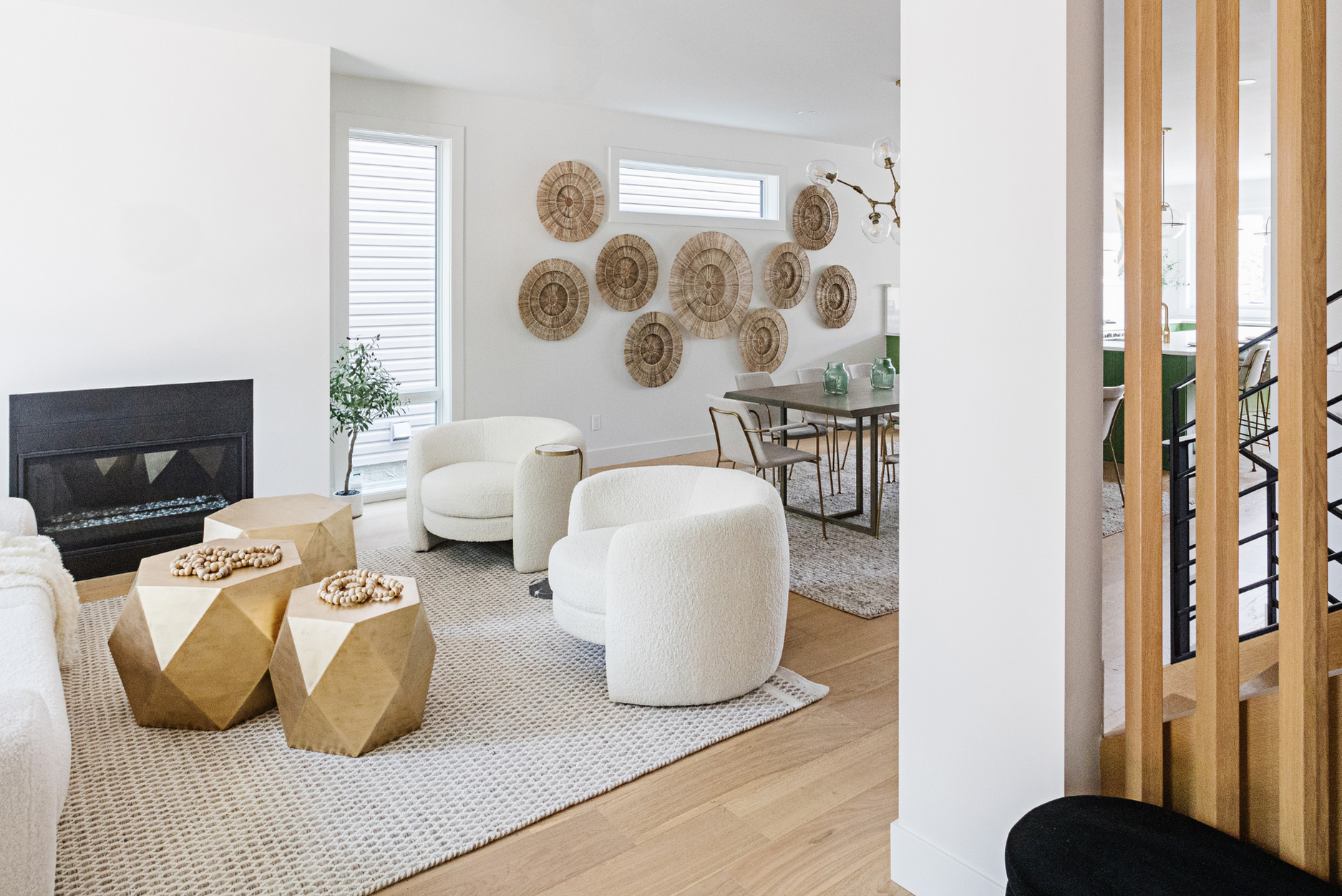
In living areas, a thoughtful living room rug layout anchors the seating area and visually guides your eye from the entry to the end of the space. Instead of furniture floating randomly, the rug grounds the sofa, chairs, and coffee table into one cohesive zone. Proper living room rug placement also improves flow, making the room feel intentional rather than accidental.
Size matters more than most people think. Choosing the right living room rug size ensures the room feels balanced. A rug that is too small can make furniture feel disconnected. A generously sized rug helps everything feel calm and cohesive. When clients ask about carpet size for living room setups, the safest rule is to go bigger than you think you need. Large rugs make modern rooms feel polished and upscale.
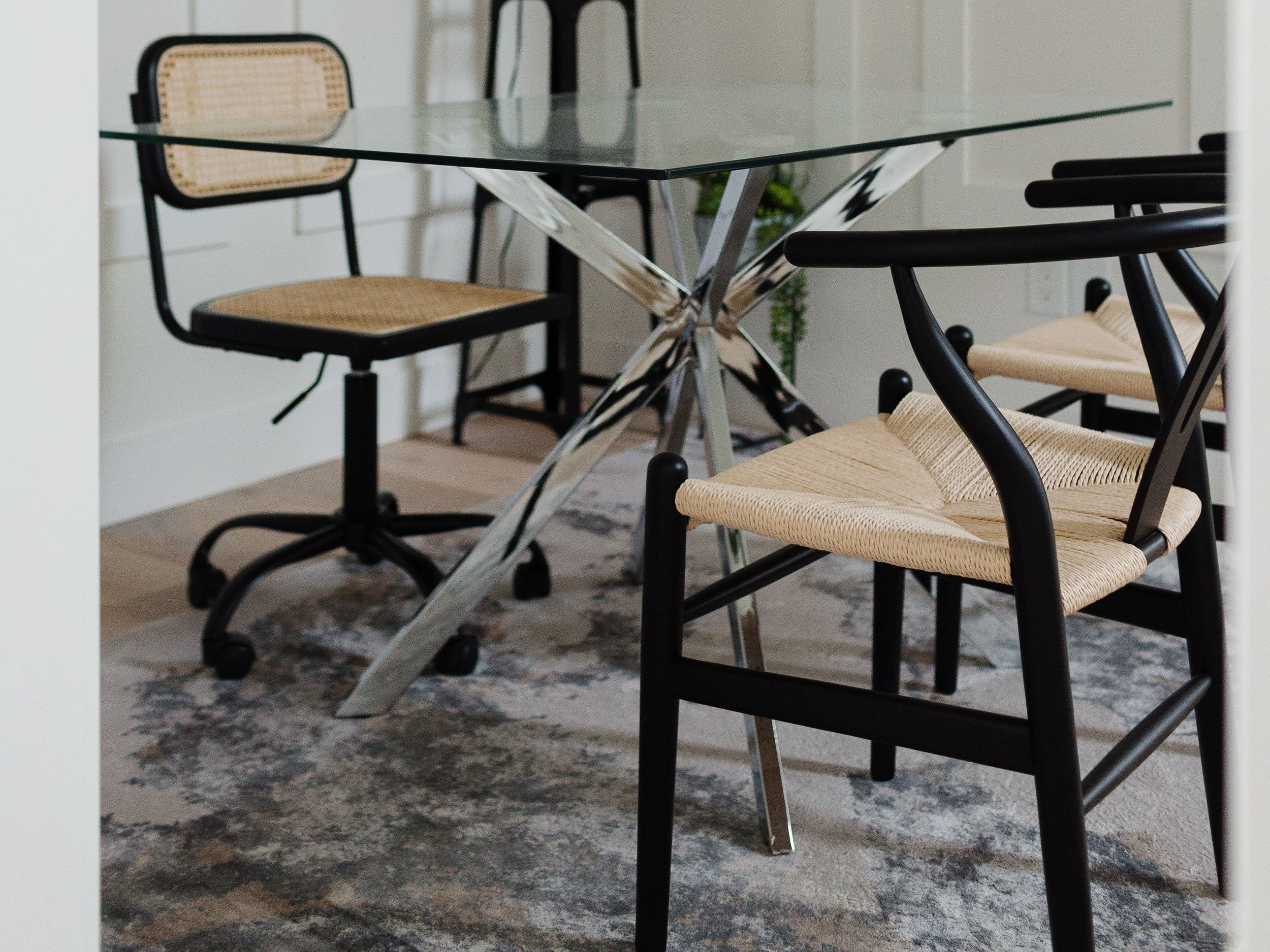
Dining spaces benefit just as much from rugs. Following correct dining room rug measurements allows armchairs to slide easily without catching on the edges. This keeps the room functional and avoids that constant scraping noise. In open-concept homes, a dining rug also clearly separates eating areas from nearby living or kitchen spaces without adding walls.
Hallways, entryways, and transitional areas are often overlooked, but rugs here guide movement and add warmth. Long runners soften hard floors and make modern homes feel more welcoming from the moment you walk in.
Choosing the Right Rug Size and Placement for Each Room
Understanding size and placement rules is essential when working with rugs in modern interiors. One of the most common mistakes we see is choosing a rug based solely on looks, without considering scale or function.
In bedrooms, a well-chosen bedroom rug creates comfort and visual balance. Stepping onto something soft first thing in the morning makes the space feel cozy instead of cold. Many homeowners debate between a large rug under the bed or smaller bedroom area rugs placed on each side. Both options work, but the rug should always feel proportionate to the bed and room size.
Following proper rug under bed rules makes a huge difference. Ideally, the rug should extend beyond the sides and foot of the bed, framing the furniture rather than hiding underneath it. A small rug for bedrooms that disappears under the mattress usually looks like an afterthought rather than a design choice.
Living spaces require careful attention to sizing as well. General area rug size guidelines recommend that at least the front legs of your sofa and chairs sit on the rug. This creates a connection between furniture pieces and prevents the rug from looking undersized. Understanding standard carpet sizes helps narrow down options quickly and prevents costly mistakes.
Layering is another popular approach in modern design. A layered carpet look adds depth and texture without overwhelming the space. This works especially well in neutral interiors where you want visual interest but not clutter. A flat base rug topped with a softer accent rug can instantly elevate a room.
In dining rooms, correct sizing keeps the space functional and comfortable. Carefully measuring and following the dining room rug measurements ensures the chairs stay fully on the rug even when pulled out. This detail often gets overlooked, but makes a big difference in day-to-day use.
If you are unsure how to choose the right rug for a room, start by measuring the space, considering furniture placement, and thinking about how the room is actually used. A rug should support daily life, not complicate it.
Styling Rugs for a Cohesive Modern Look
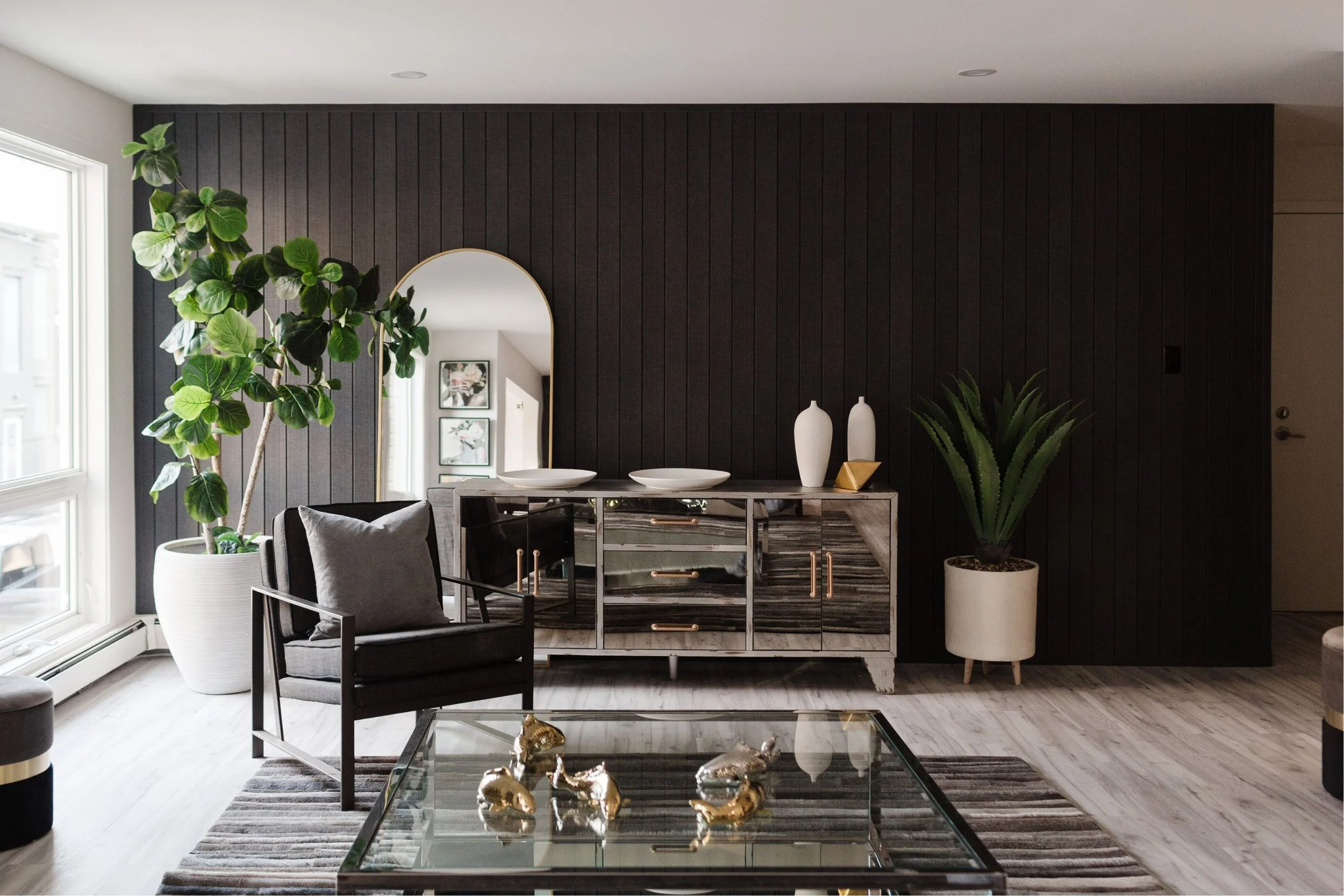
Once size and placement are sorted, styling becomes the fun part. Modern interiors often rely on a neutral base, allowing rugs to add personality through texture, tone, or subtle pattern. Choosing colours that work with your floors is key. Knowing how to match rugs with floor colours helps avoid visual clashes. Light rugs soften dark floors and make spaces feel brighter. Dark rugs ground lighter floors and add contrast. In modern homes, tone-on-tone combinations often feel more refined than high contrast ones.
Texture plays a major role in modern design. Flat weaves, wool blends, and natural fibres all bring different moods to a space. Mixing textures keeps rooms from feeling flat while still maintaining a clean aesthetic. This is especially important in homes with many smooth surfaces, such as hardwood, concrete, or tile.
In family homes or busy spaces, practicality matters. Durable materials and easy maintenance should always be considered alongside style. Using placement mats in high-traffic zones or near entry points helps protect rugs and extend their lifespan without sacrificing design.
Consistency across rooms also matters. Rugs do not need to match exactly, but they should feel like they belong together. Repeating similar tones, textures, or design styles helps the home feel cohesive rather than chaotic.
For homeowners who want professional guidance, working with an experienced Edmonton interior designer can help bring everything together seamlessly, especially when balancing open layouts, custom furniture, and layered textures. Tailored Interior works closely with clients to ensure rugs enhance both the look and function of their homes.
Conclusion: Selecting Rugs for Interior Design

Choosing a rug goes beyond simply picking something that looks nice. Rugs shape how a room feels, how it functions, and how everything connects visually. When chosen thoughtfully, they define spaces, soften modern lines, and make a home feel complete.
By focusing on proper sizing, smart placement, and cohesive styling, rugs become one of the most powerful tools in modern interior design. Whether you are updating one room or designing an entire home, the right rug choices can elevate your space without major renovations.
If you are planning a redesign and want help choosing rugs that truly work with your layout and lifestyle, Tailored Interior is always here to help you create a modern home that feels both stylish and livable.